

- June 17, 2019
Protecting bill paper from moisture, especially in humid seasons, is crucial to ensure the longevity and readability of printed receipts and invoices. Here are some effective strategies to keep your bill paper dry and protected:
- Proper Storage:
- Store the paper rolls in a cool, dry place away from direct sunlight and sources of moisture.
- Use sealed plastic containers or bags to isolate the paper from the surrounding air.
- Consider using airtight containers with desiccants like silica gel packets to absorb excess moisture.
If you are comparing paper options, start from the thermal paper rolls category or the full products page. For sample requests, sizing checks, or pricing, the fastest route is the contact page.
- Climate Control:
- Maintain a stable indoor environment with controlled humidity levels, ideally between 40% and 60%.
- Use dehumidifiers in areas where the paper is stored or used to reduce the ambient humidity.
If you are comparing paper options, start from the thermal paper rolls category or the full products page. For sample requests, sizing checks, or pricing, the fastest route is the contact page.
- Sealing Paper Rolls:
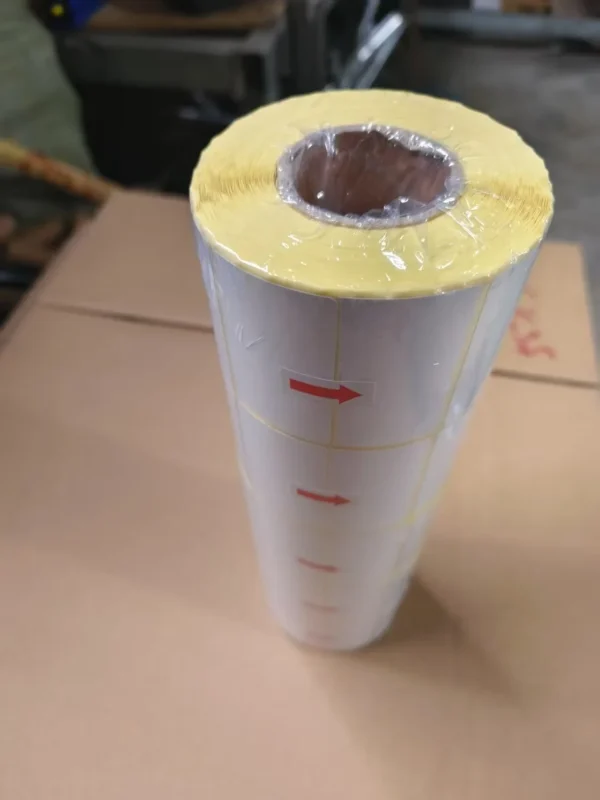
- Seal the ends of the paper rolls tightly to prevent moisture from entering.
- Use plastic wrap or waterproof tape to seal the ends securely.
If you are comparing paper options, start from the thermal paper rolls category or the full products page. For sample requests, sizing checks, or pricing, the fastest route is the contact page.
- Avoid Direct Exposure:
- Keep the paper rolls away from windows and doors where moisture can enter.
- Do not store the paper near water sources or in damp areas like basements.
If you are comparing paper options, start from the thermal paper rolls category or the full products page. For sample requests, sizing checks, or pricing, the fastest route is the contact page.
- Ventilation:
- Ensure the storage area is well-ventilated to prevent condensation buildup.
- Use fans or air conditioners to circulate the air and reduce moisture accumulation.
If you are comparing paper options, start from the thermal paper rolls category or the full products page. For sample requests, sizing checks, or pricing, the fastest route is the contact page.
- Use Moisture-Resistant Paper:
- Consider using moisture-resistant paper that is specifically designed to withstand humid conditions.
- Look for paper that is treated with coatings to resist moisture absorption.
If you are comparing paper options, start from the thermal paper rolls category or the full products page. For sample requests, sizing checks, or pricing, the fastest route is the contact page.
- Regular Checks:
- Regularly inspect the paper rolls for signs of moisture damage or mold growth.
- Replace damaged or compromised rolls immediately to prevent further issues.
If you are comparing paper options, start from the thermal paper rolls category or the full products page. For sample requests, sizing checks, or pricing, the fastest route is the contact page.
- Handling Practices:
- Handle the paper with dry hands and avoid touching the sensitive surfaces.
- Use gloves if necessary to minimize contact with the paper.
If you are comparing paper options, start from the thermal paper rolls category or the full products page. For sample requests, sizing checks, or pricing, the fastest route is the contact page.
- Preventive Maintenance:
- Keep the printer and surrounding area clean and dry.
- Regularly clean and dry the printer head and other parts that come into contact with the paper.
If you are comparing paper options, start from the thermal paper rolls category or the full products page. For sample requests, sizing checks, or pricing, the fastest route is the contact page.
- Usage Practices:
- Use the paper rolls as soon as possible after opening the packaging to minimize exposure to the air.
- Consider rotating stock to ensure that older rolls are used first.
If you are comparing paper options, start from the thermal paper rolls category or the full products page. For sample requests, sizing checks, or pricing, the fastest route is the contact page.
By implementing these strategies, you can effectively protect your bill paper from moisture damage during humid seasons, ensuring that the receipts and invoices remain clear and legible for customers and business record-keeping.